Choosing what will still work in ten years
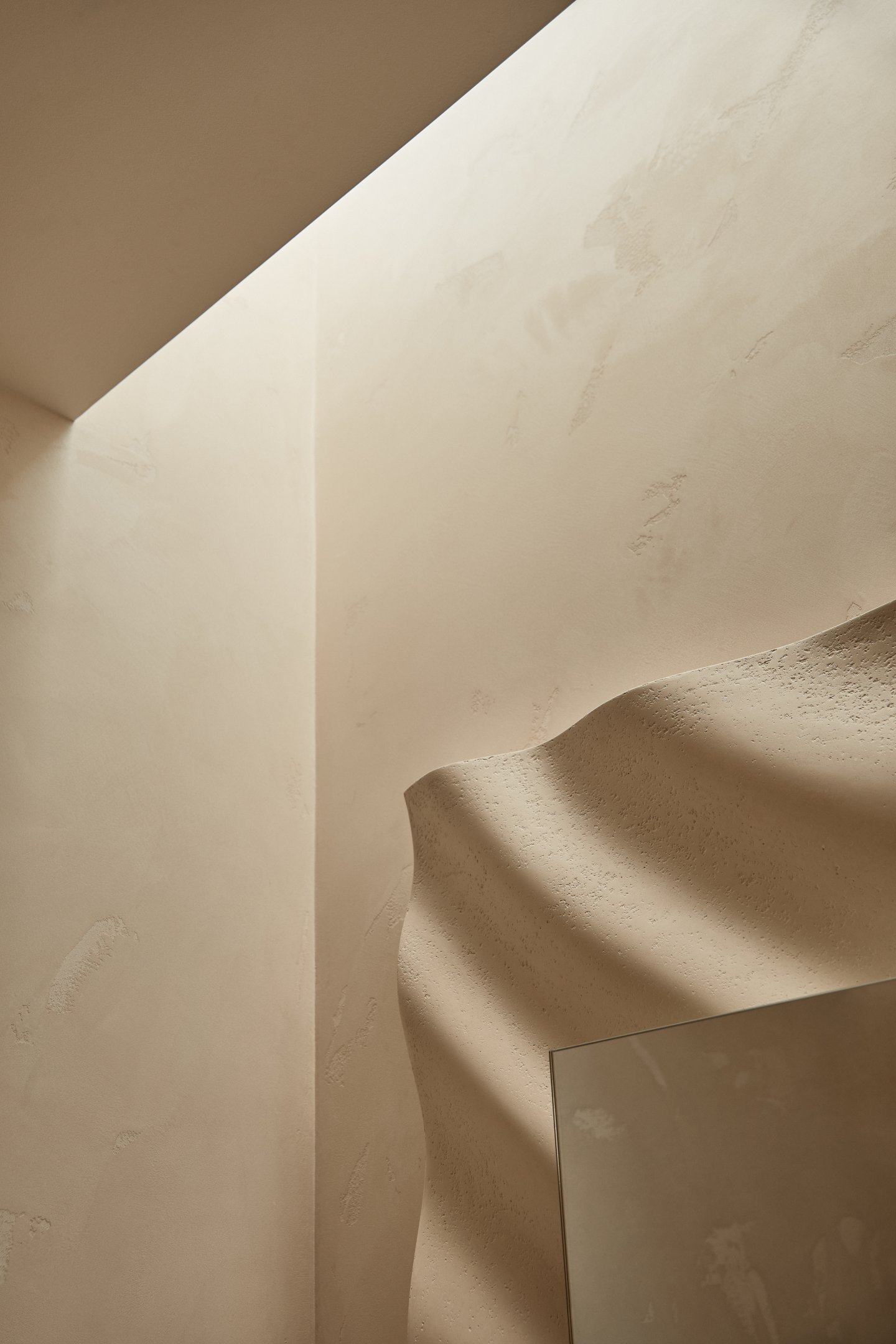
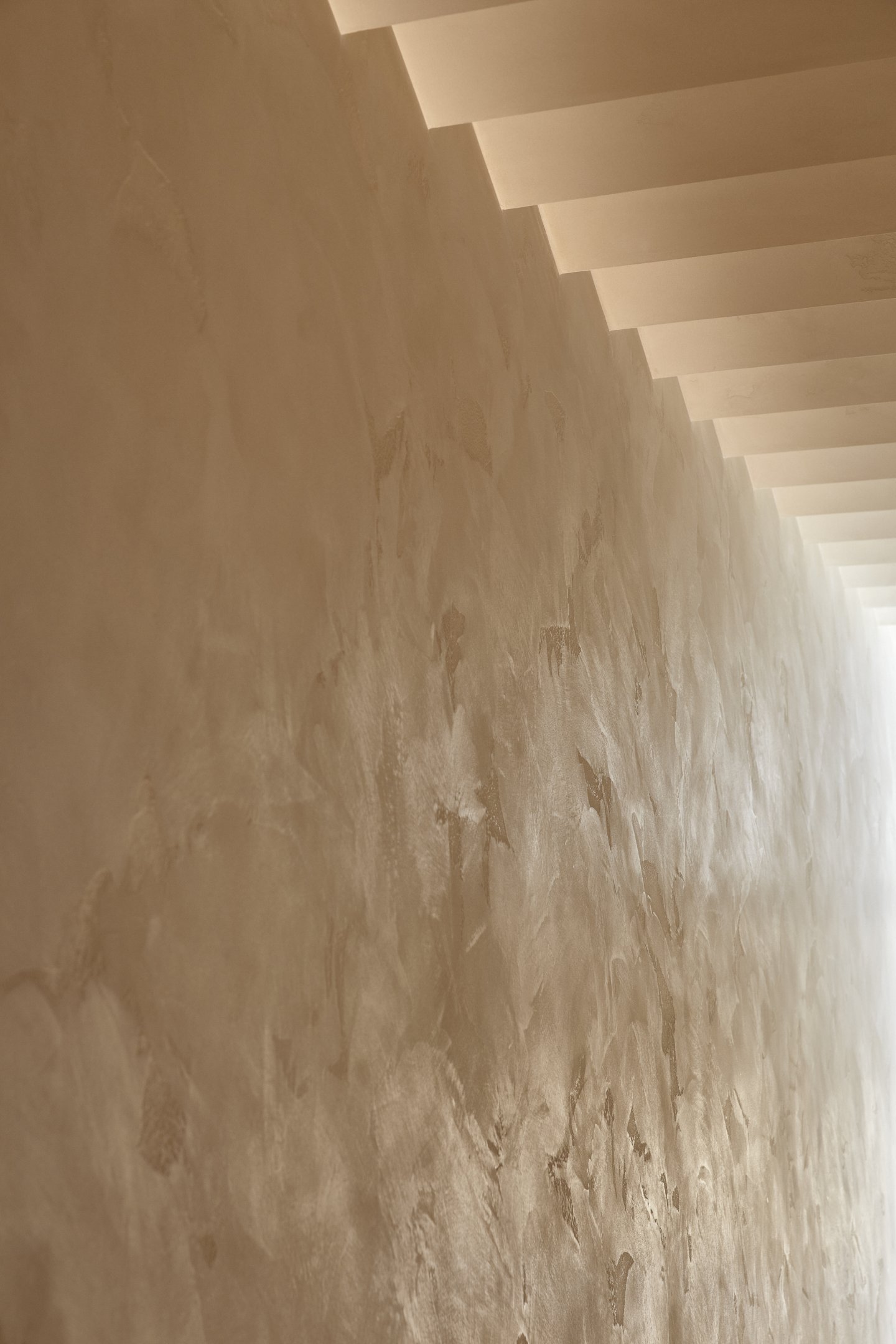
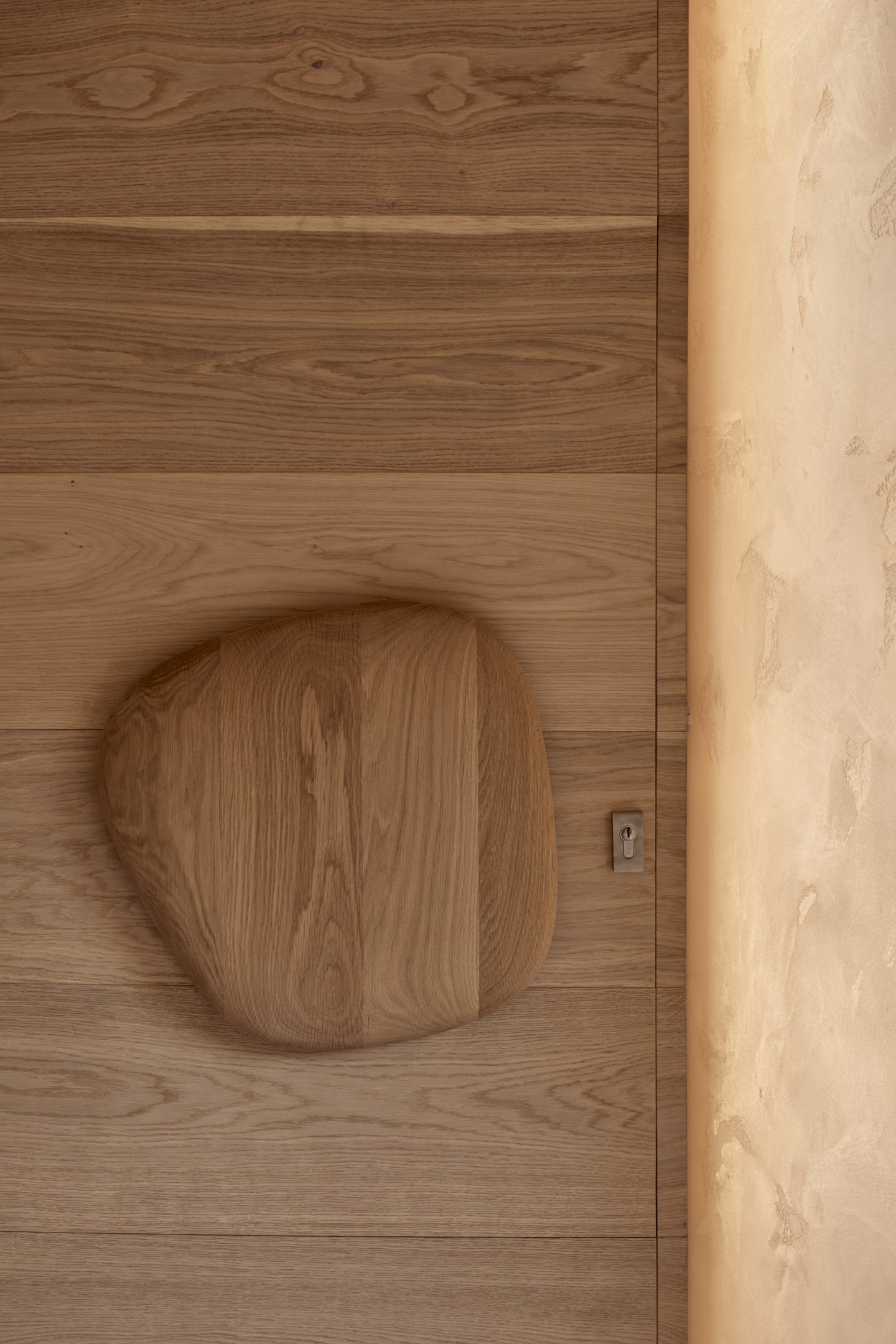
The way materials are discussed in high-end residential design tends to flatten into aesthetics — colour, texture, how something reads in a photograph. But the decisions that determine how a home performs over time are rarely visible in the final images.
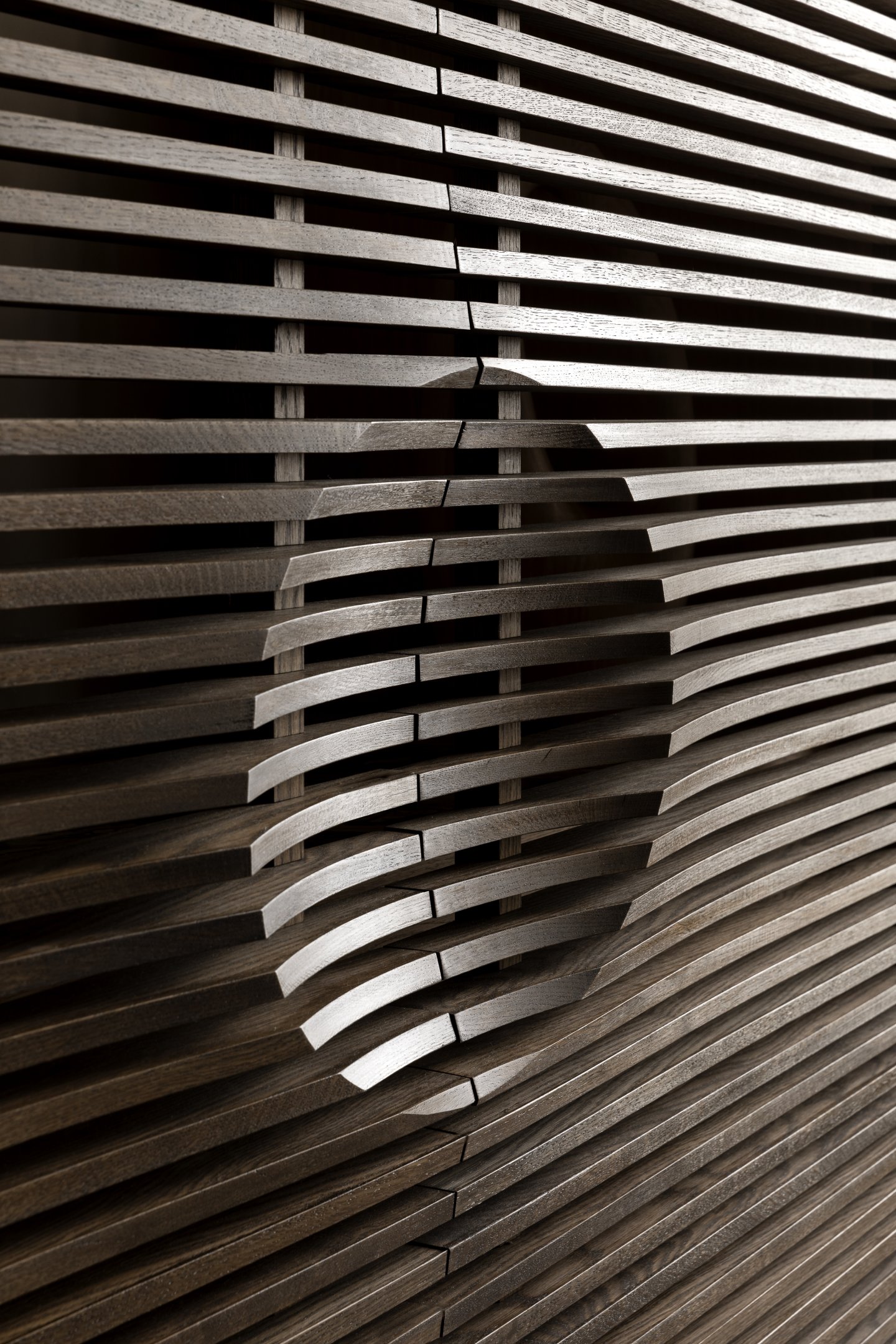
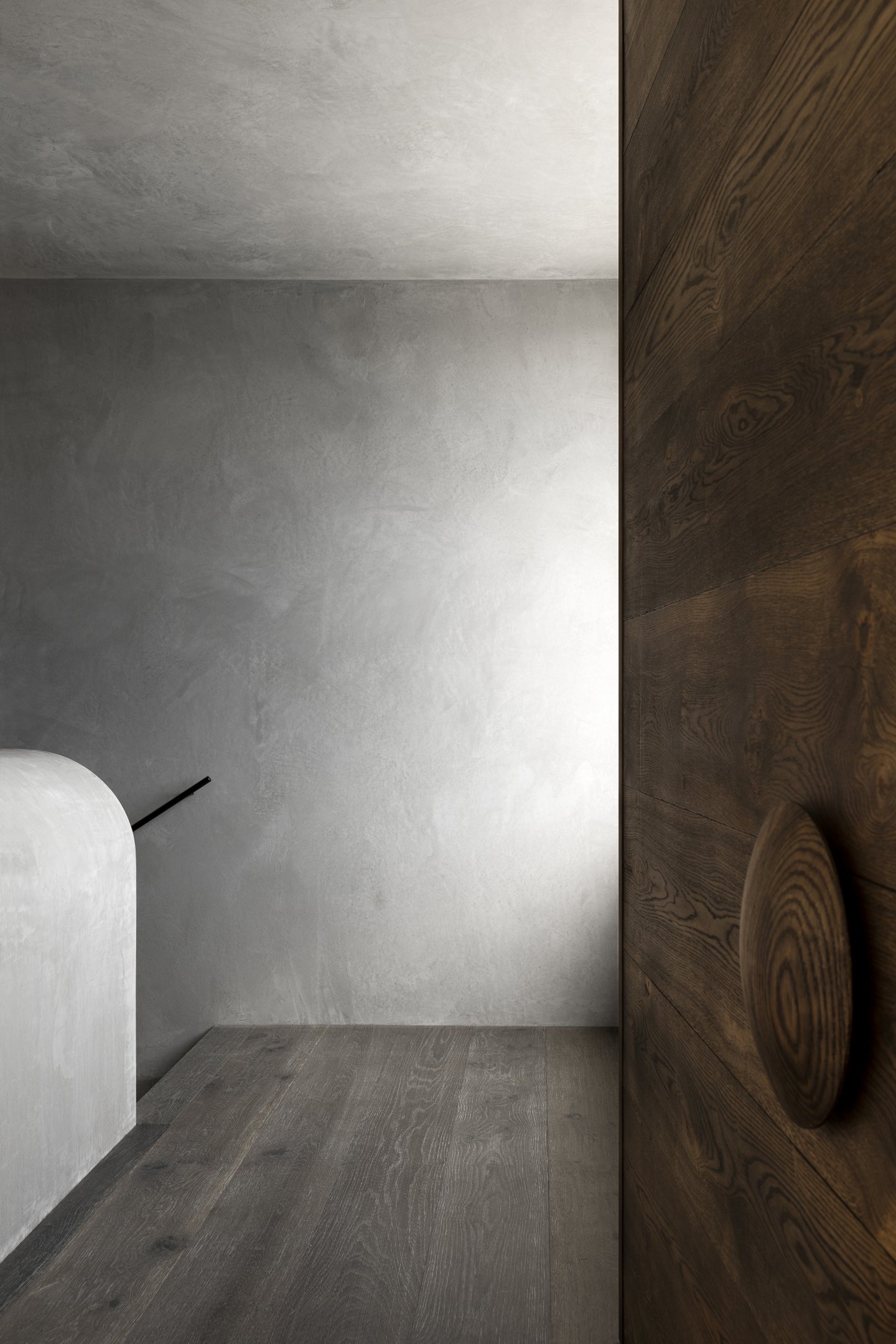
At Stonnington, material selection is treated as a long-term decision. A finish that is difficult to maintain or live with will quietly undermine the experience of a home, regardless of how considered it looked on completion.
When the right choice isn’t the obvious one
On a recent project, a handmade textured tile was selected for a bathroom. Visually it was a strong choice — depth, warmth, the right palette. The problem only surfaced when the team considered how the shower would actually be used. The texture that gave the tile its character would make routine cleaning difficult.
It was replaced with Corian – a material Stonnington has specified in wet areas for over ten years. A seamless surface with no grout lines, consistent, and straightforward to maintain. The same white finish is used across all projects; not attempting to replicate stone, but chosen for exactly what it is.
Past clients consistently single it out as one of the most appreciated decisions in their homes, not because it is striking, but because it is genuinely easy to live with.
“You always have to keep in mind how a material selection is going to perform in the long term,” Stonnington director, Enzo Campus tells. “You can’t base a material selection purely on aesthetics.”
Why natural materials still earn their place
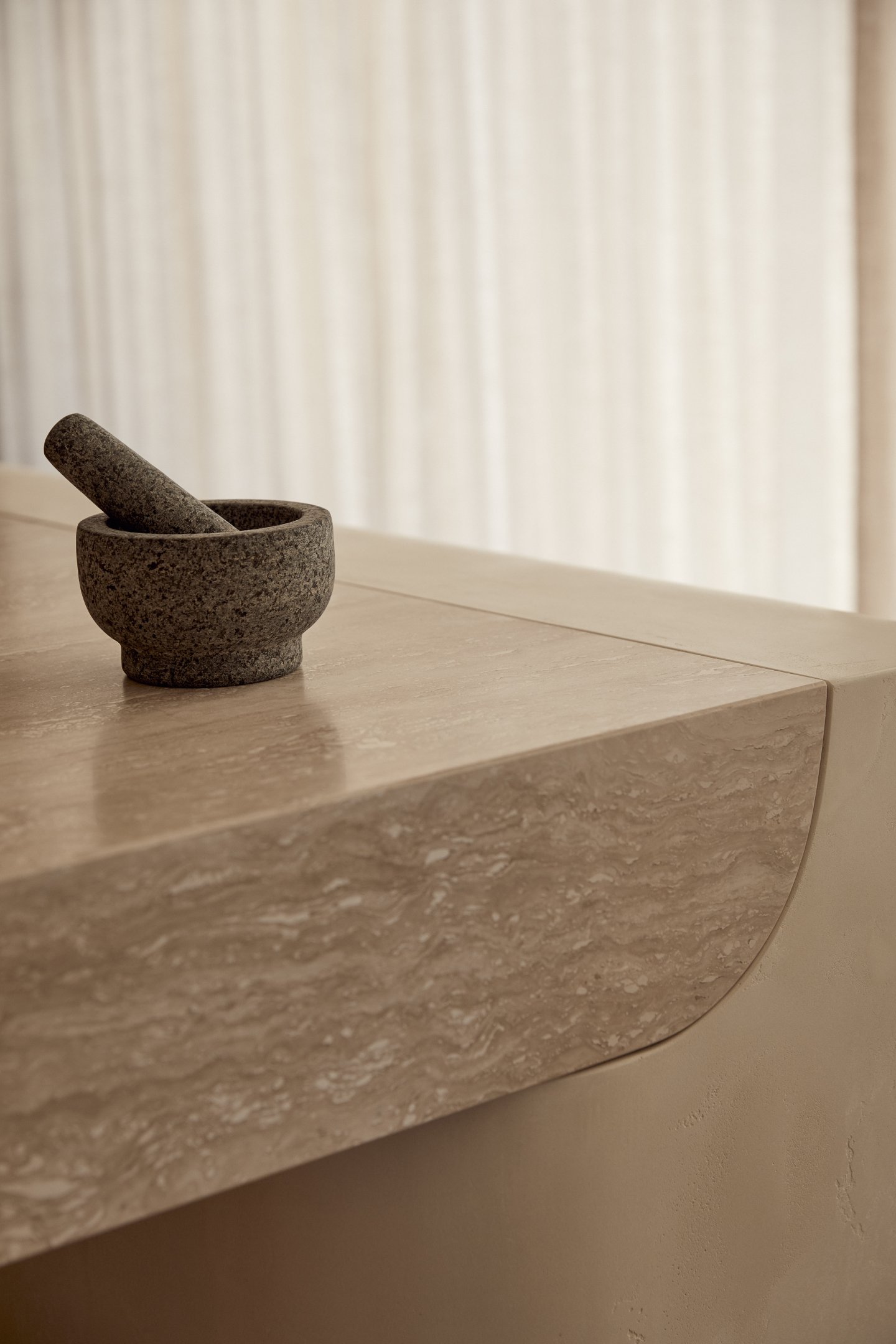
Stonnington has a strong preference for natural stone over its manmade counterparts, and the reason is largely about how each ages. Manmade surfaces can look impressive when first installed. But as they begin to wear, they tend to look diminished rather than distinguished.
Natural stone does the opposite. Over years of daily use it develops a patina, the kind you see in traditional kitchens and restaurants across Italy, where surfaces have been touched and lived with for decades and are more beautiful for it.
It’s the difference between a well-worn pair of jeans or a vintage t-shirt that has developed real character, and a pre-distressed version bought to look that way. The genuine article always reads differently. In kitchens and living spaces — where surfaces are touched constantly — that distinction compounds over time.
Designing for daily life
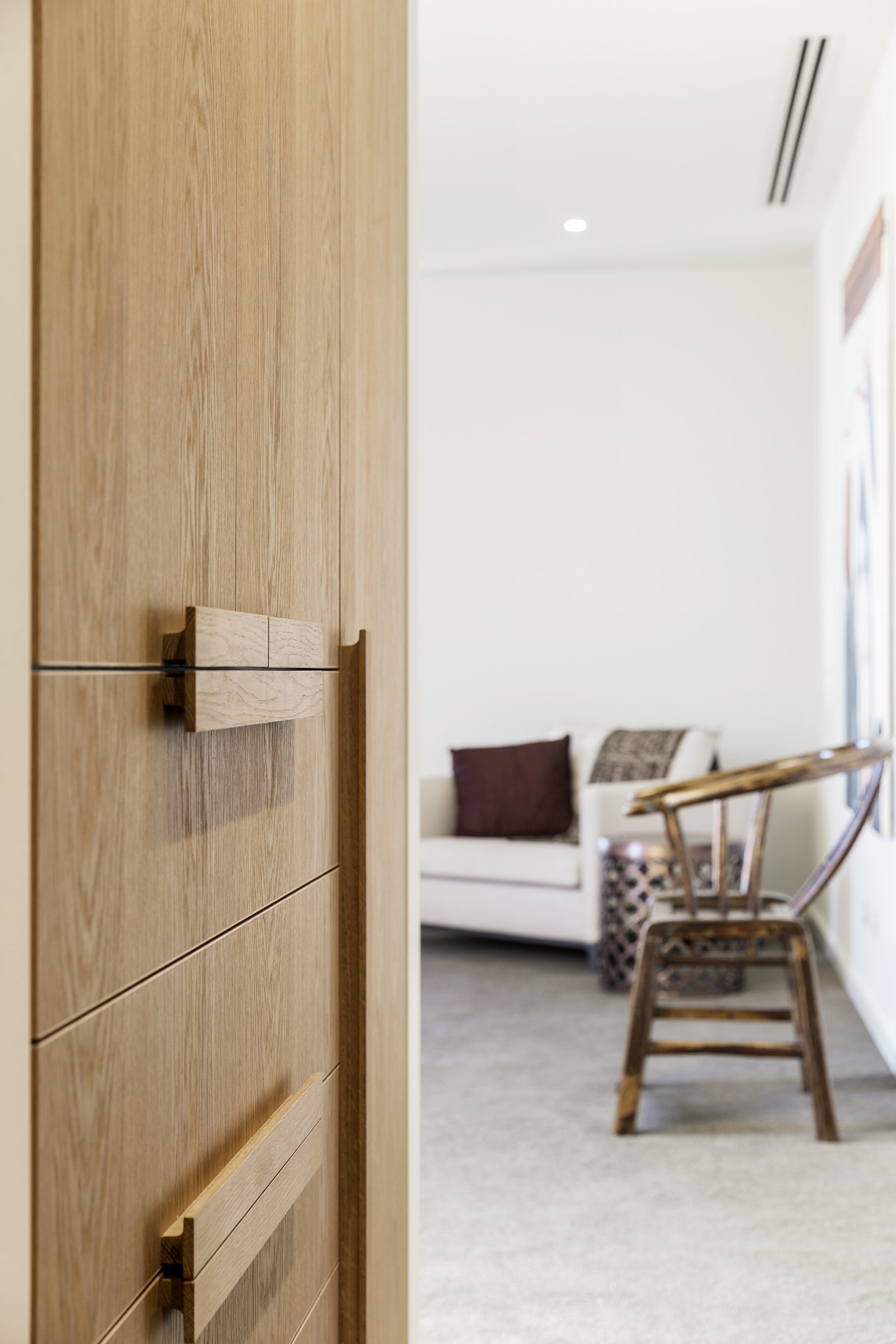
Addressing durability, maintenance and ageing behaviour early protects against problems that surface after handover — when change is disruptive and expensive. These decisions are not dramatic in isolation, but they accumulate.
Taken together, they determine whether a home feels effortless to inhabit or quietly demanding, and whether it retains its integrity over time or requires ongoing management.
Material selection, in that sense, is less about decoration and more about long-term planning — one of the earlier decisions in a project, and one of the most consequential.