Conventional thinking
It’s easy to understand why so many new homes place a strong emphasis on street presence. A home, after all, is a quiet reflection of those who live within it.
And yet, this focus can sometimes lead the design in the wrong direction.
Because when a home is shaped primarily by how it presents to the street, something far more important is often compromised – What it’s actually like to live in.
On many blocks – particularly those on the south side of a street – this approach can lead to significant compromises. Light is lost. Privacy is reduced. Comfort is diminished. And the daily experience of the home suffers quietly in the background. Planning regulations can reinforce this thinking, often favouring a front-facing entry and a certain sense of symmetry.
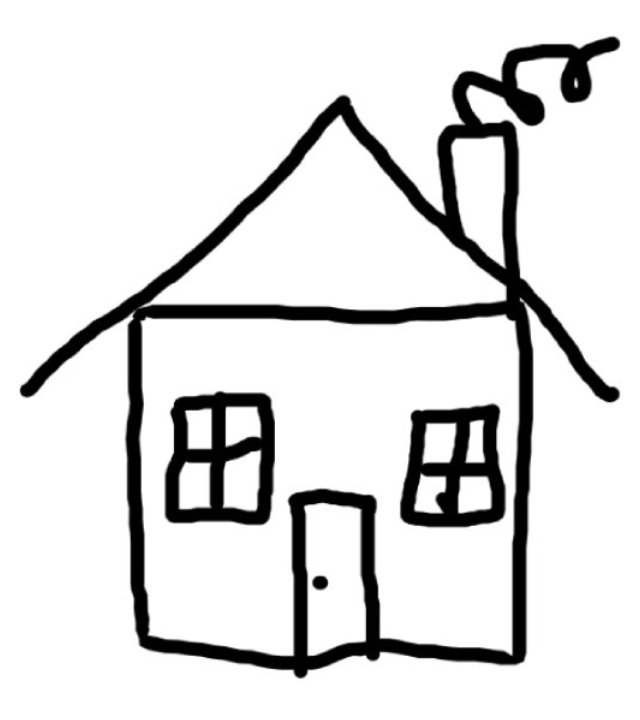
Perhaps this tendency begins early. Our first drawings as children—the pitched roof, entry door in the middle with windows either side. A simple familiar idea of what a home should be.
Of course, such thinking ignores the fundamentals of responsive building design. As outlined in our earlier blog, there are many more important considerations required to achieve a successful outcome.
Start where it matters most
While a home’s external form matters, it should never be allowed to dictate the outcome.
Instead, a home’s design should always commence with a strong, resolved floor plan.
And a well-resolved plan should always start at the heart of the home—the main living space.
This is where life unfolds. Where mornings begin and evenings unwind. Where people gather, retreat, and connect.
Positioning this space correctly is vital. It should respond to the site – capturing northern light, embracing views, and establishing a strong connection to the landscape.
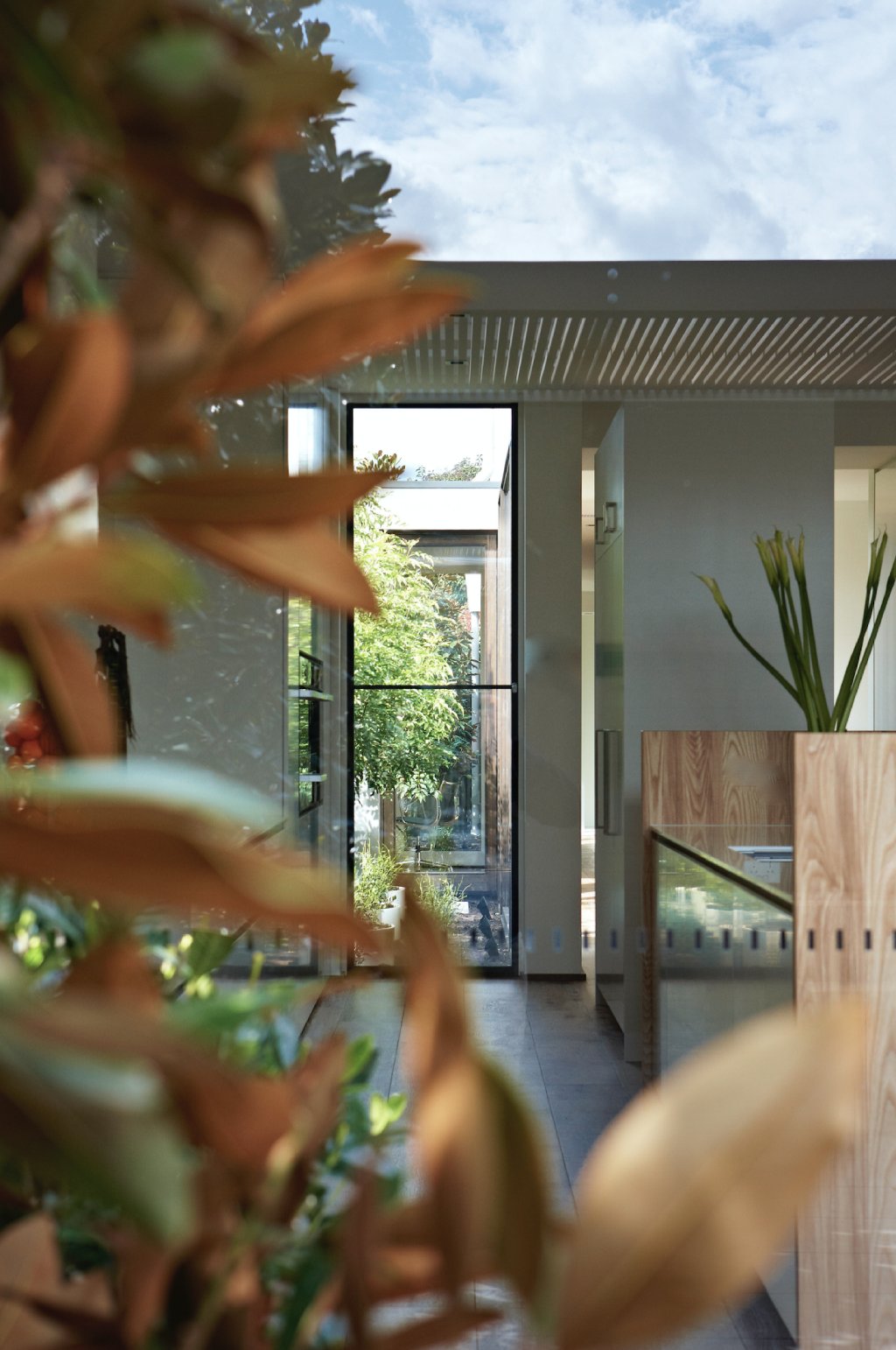
If you’ve invested in a generous parcel of land, you should be able to experience all of it.
Not just from the outside, but from within the home.
Long sight lines, carefully framed outlooks, and glimpses to the boundaries all contribute to a sense of openness and generosity.
A thoughtful plan leaves nothing on the table. It draws out everything the site has to offer.
When you are in the heart of the home, you should feel relaxed, private, and at ease.
Connected to light. Connected to landscape. Protected from what you don’t need.
The Role of Zoning
Once a home’s heart is resolved, the rest begins to unfold. Zoning plays a quiet but essential role. Proper zoning of spaces is not just about where rooms are placed, but how they relate to each other — spaces for living, working, entertaining, and rest.
When done well, each part of the home can operate independently. You can entertain while someone works quietly nearby. Children can sleep undisturbed while life continues elsewhere.
These outcomes are deliberate. They come from careful consideration of movement, privacy, acoustics, and what is seen—or not seen—between spaces.
Even small decisions matter. The swing of a door. The line of sight into a room. The ability to conceal or reveal.
Moving beyond the familiar
Too often, we see predictable design repeated without question. A central hallway, formal living to one side, study space to the other. Living pushed to the rear—regardless of site orientation. It may feel familiar, but it rarely feels resolved. A home should respond to its site and the people within it. Not to a template.
When a floor plan is right, the home becomes more comfortable. More efficient. More intuitive to live in.
Only once the floor plan is resolved do we turn our attention fully to the exterior. This is not to diminish its importance, but to simply place it in the right order. The façade should not dictate the plan. It should emerge from it.
When it does, the home tends to feel more natural. More grounded. More enduring.
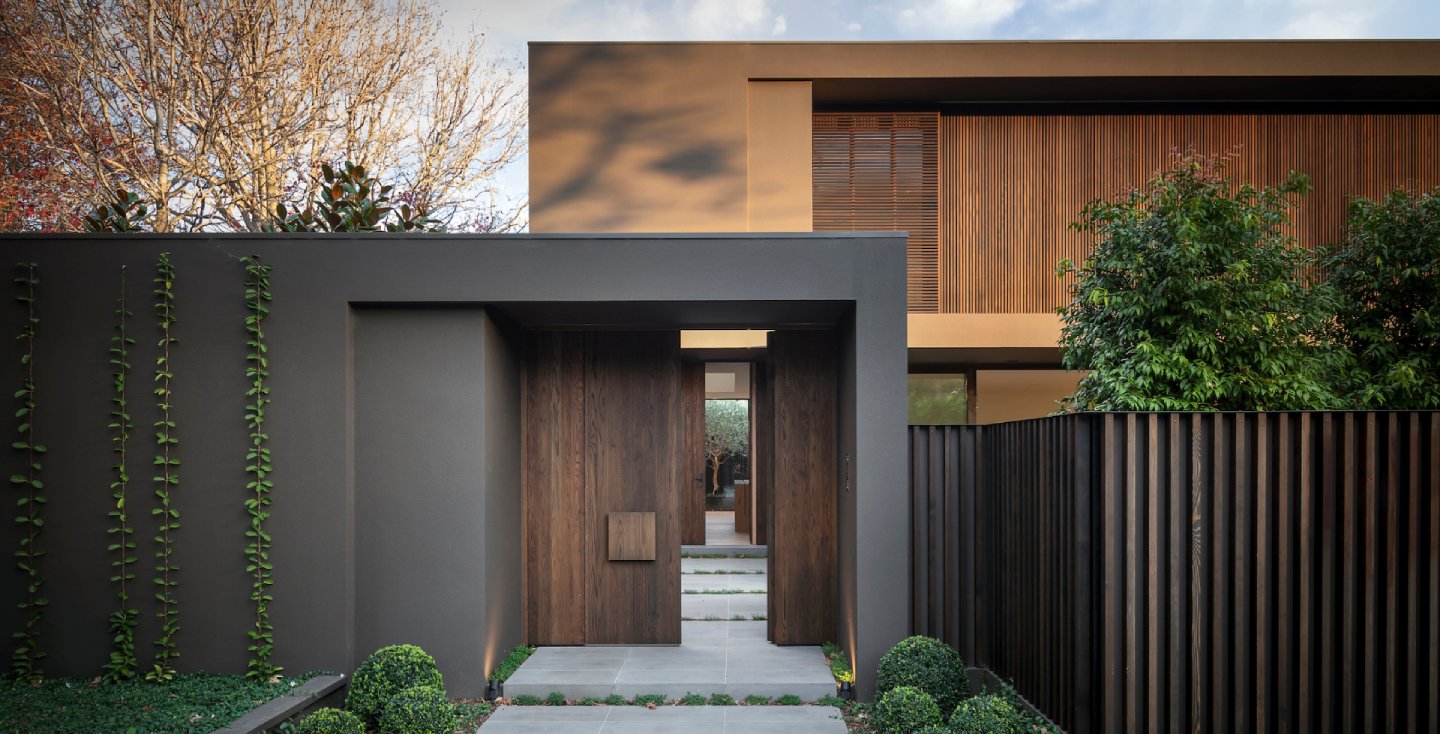
There is also value in restraint. A home that doesn’t reveal itself entirely from the street provides a sense of curiosity. It’s a home that begins to reveal itself only when you move through it. A gradual sense of arrival. Light. Space. Connection.
A More Considered Approach
This is what we mean by designing from the inside out. Allowing the experience of living in a home to shape everything that follows.
Because ultimately, a home is not defined by how it appears. But by how it feels.