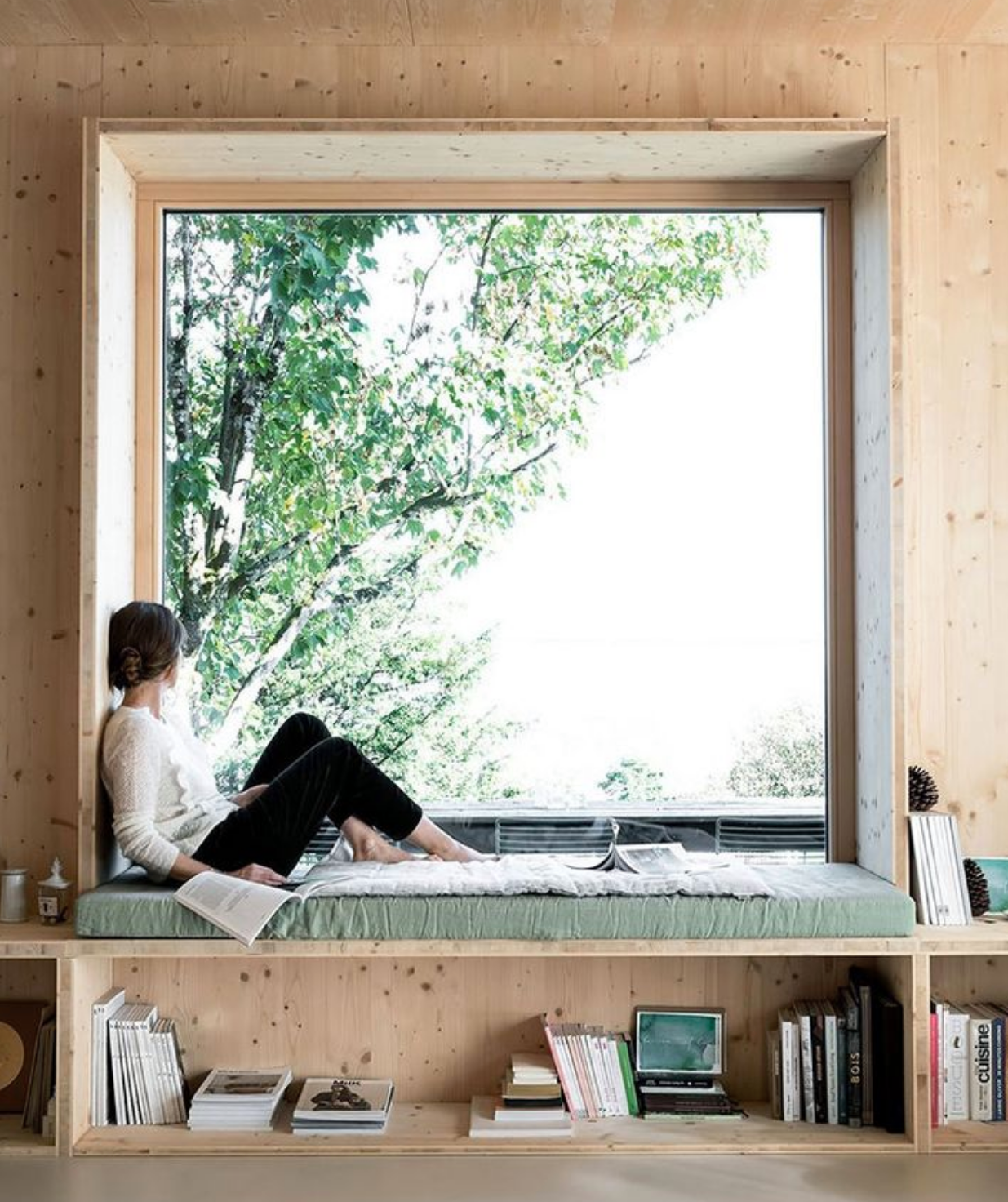
Your Design & Build Partner.
Designing and building a personalised home can be both exciting and sometimes, daunting. One of the most important decisions is choosing a design & build partner that you can trust and connect with.
The right partner should simplify the process and remove uncertainty while making the creative decisions an enjoyable part of the journey.
Lifestyle and feeling
Start by discussing how your family lives and what experiences you want your spaces to support. Think about the moments that matter most — whether that’s entertaining friends, enjoying quiet retreat, or fostering everyday family connection. Consider both the practical needs, such as how your kitchen, bathrooms, and daily arrival spaces function, as well as the social settings where you gather to unwind. Some families are drawn to open, shared environments, while others value more intimate, separated rooms.
Just as important is the feeling you want your home to create each day — warm and welcoming, vibrant and energetic, or private and peaceful. Your reflections on these preferences guide the flow and character of the design, helping your design partner to create a home that genuinely responds to the way you want to live.
Site response and orientation
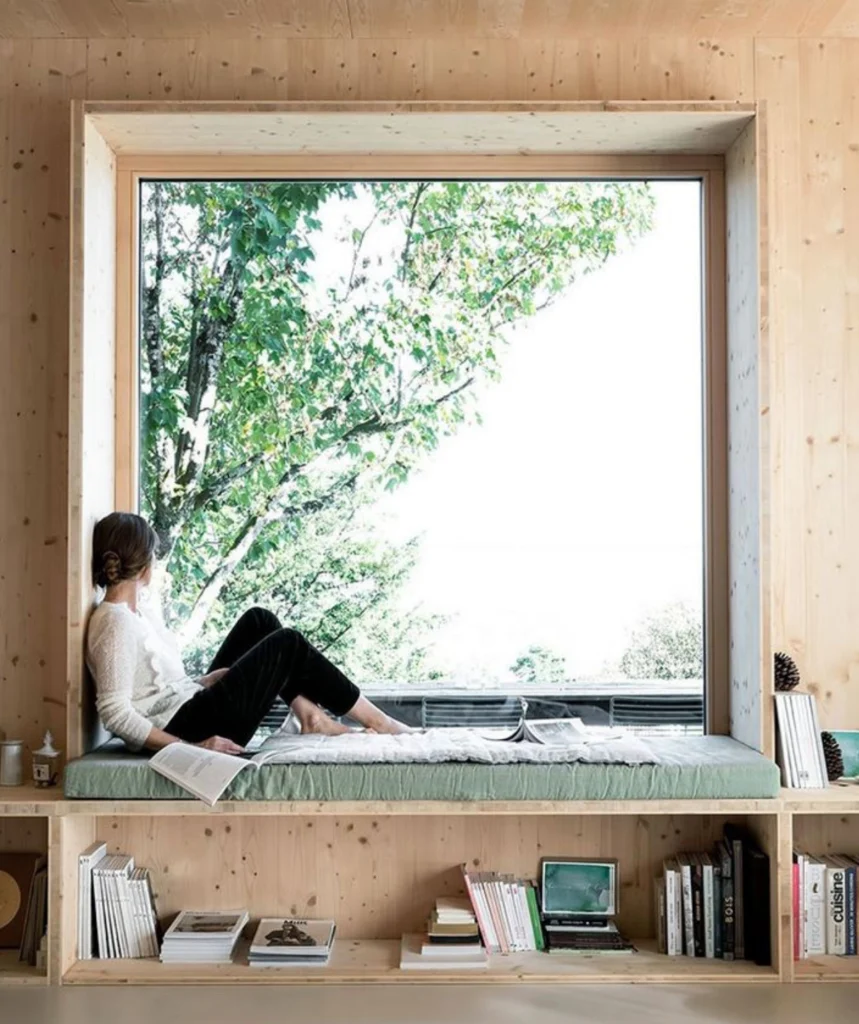
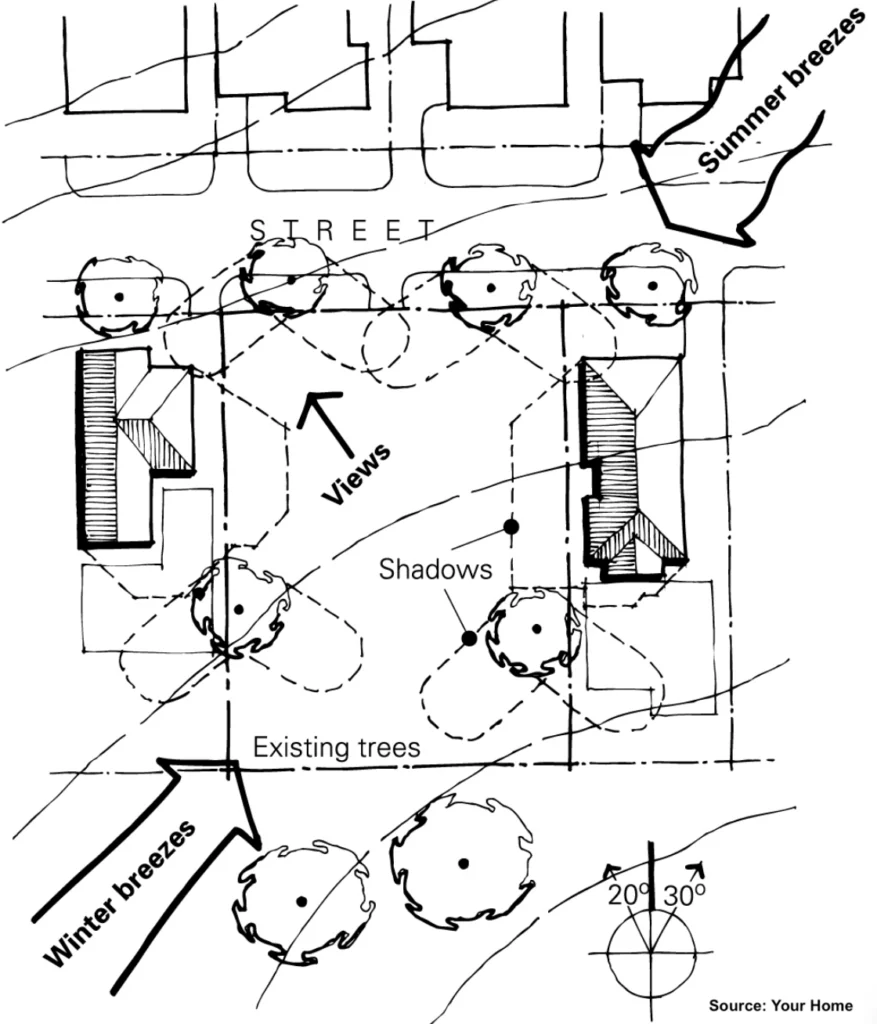
Every block of land carries its own opportunities and constraints, and a well-designed home should respond thoughtfully to both. The land, its orientation, and its surroundings should guide the design, ensuring the home feels naturally connected to its environment. Careful consideration of sunlight, outdoor living areas, privacy, and the relationship to neighbouring properties shapes both comfort and usability.
Equally important are connections to landscape and garden, along with an awareness of views, noise, and other environmental influences. When these elements are carefully resolved, the result is a home that sits naturally within its setting and is comfortable all year round.
A good floor plan is critical
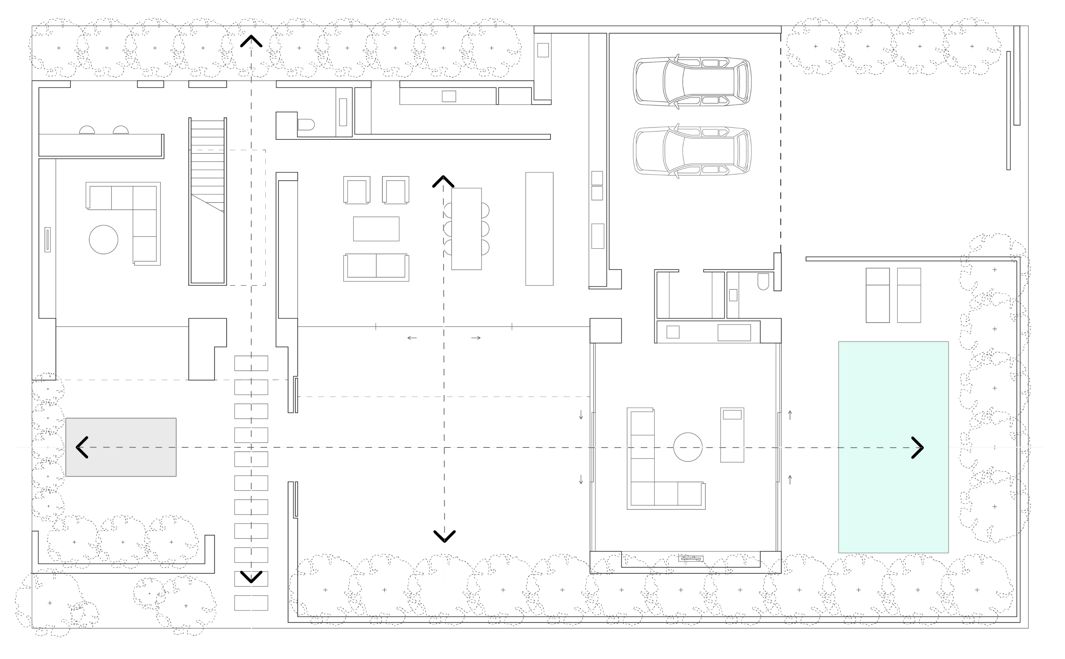
A well-resolved floor plan is probably the most important foundation for a successful home. Your floor plan shapes not only how a home functions, but how it feels to live in every day. While the number of rooms and their functions set the framework, the true success of a plan lies in the relationships between spaces, thereby creating thoughtful zoning, privacy, garden views and flow that support the rhythms of family life. Whether you’re home alone or entertaining twenty.
The experience of moving through the home matters just as much. An inviting entrance should gently unfold the interior, building curiosity and offering moments of surprise and delight along the way. Well-designed spaces carry a quiet warmth and ease, a sense of comfort that is hard to measure but immediately felt.
When a home is planned with this care, its spaces feel natural and inviting, creating an environment you genuinely look forward to returning to each day.
Architectural character
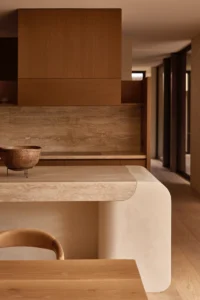
A home’s style and finishes shape its identity and influences how it will be experienced both upon completion and over time. Material choices and level of detail determine not only how the home looks, but how it feels to live in and how gracefully it will age.
Prioritising natural materials and timeless forms helps avoid the short-lived trends that can quickly date a project. With early clarity and a consistent vision, the result is a home with lasting character. One that feels timeless and increasingly beautiful as it matures.
Budget
A clear and honest conversation about what’s possible is vital. Unrealistic cost estimates don’t disappear. They surface later – when it’s hardest to change course.
While good design is central to a beautiful home, budget and construction complexity should be considered early in the design stage. Good design doesn’t necessarily mean more expensive. It doesn’t cost any more to put the walls in the right place.
With a strong floor plan established, budget can be prioritised toward the areas that provide the greatest value and impact for the occupants.
And finally, trust the process.
Designing and building a home inevitably attracts outside noise. Opinions from friends, influences from social media, and second-guessing can make even good decisions feel uncertain the next day.
While these voices are often well-meaning, too many competing perspectives or micro-managing can blur the clarity needed to create a cohesive home.
The most successful projects come from a singular vision and the confidence to trust it. By trusting your designer’s experience and process, you create space for focused decision-making and thoughtful execution. It also makes for a more enjoyable experience. From that clarity emerges a home that feels harmonious, considered, and authentically yours.